
Alva Leaf Removal Services
Choose our Leaf Removal service for reliable, thorough cleanup that saves you time and keeps your property looking its best all season long.
Get a Free QuoteOur Alva Landscaping & Yard Care Services
When to Schedule Leaf Removal in Alva, Florida – Seasonal Guide
In Alva, Florida, the timing of leaf removal is best planned around the area’s unique subtropical climate and the specific needs of local landscapes. Unlike northern regions with a single dramatic leaf drop, Alva’s trees—especially live oaks and cypress—shed leaves gradually, often peaking in late winter and early spring. Homeowners in neighborhoods like River Hall and along the Caloosahatchee River should pay close attention to seasonal cues, such as the end of the dry season and the approach of summer rains, to optimize their leaf removal schedule.
Local environmental factors play a significant role in determining the best time for service. For example, Alva’s sandy soils drain quickly, but heavy leaf accumulation can trap moisture and increase the risk of fungal growth, especially in shaded yards or areas with dense tree cover. Monitoring frost dates, which typically occur in January or February, can help you plan removal before new growth begins. Additionally, municipal guidelines and local resources may provide helpful information on disposal and timing.
Local Factors to Consider for Leaf Removal in Alva
- Tree density and species (live oaks, cypress, and palms)
- Proximity to water bodies like the Caloosahatchee River
- Soil type (sandy vs. loamy areas)
- Shade coverage and yard orientation
- Precipitation patterns and drought risk
- Neighborhood-specific municipal restrictions or collection schedules
Benefits of Leaf Removal in Alva

Enhanced Curb Appeal
Healthier Lawns
Prevents Pest Infestations
Reduces Lawn Disease
Saves Time and Effort
Professional and Reliable Service
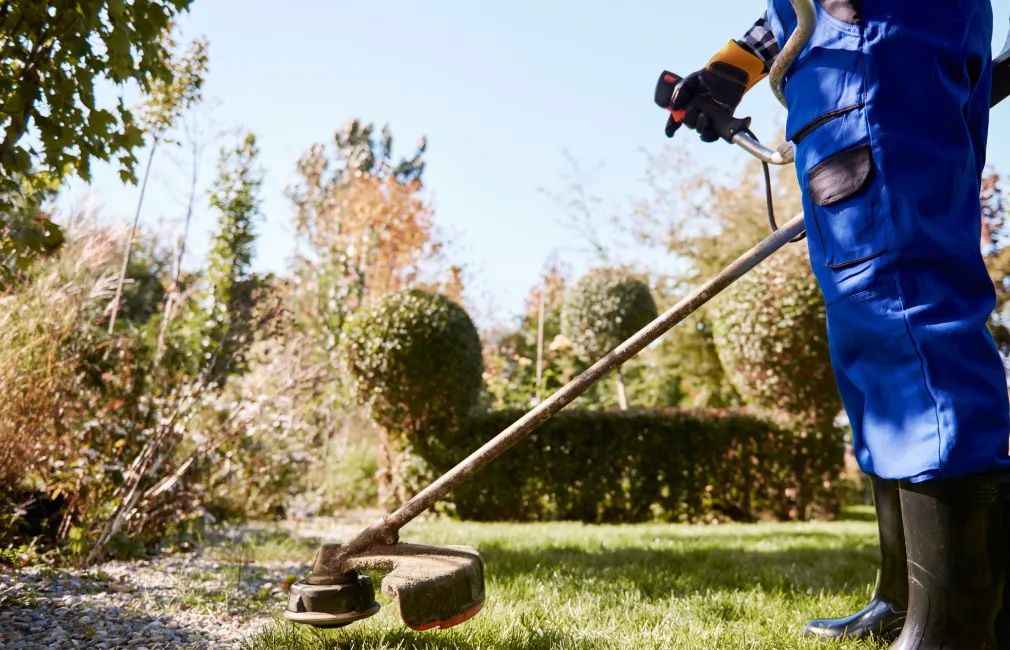
Alva Leaf Removal Types

Seasonal Leaf Cleanup
-
Curbside Leaf Collection
-
Full Property Leaf Removal
-
Gutter Leaf Clearing
-
Mulching Leaf Service
-
Bagged Leaf Pickup
-
Commercial Leaf Removal
Our Leaf Removal Process
Site Evaluation
Leaf Gathering
Collection and Removal
Final Inspection
Why Choose Alva Landscape Services
Alva Homeowners Trust Us
-
Reliable Lawn Maintenance
-
Competitive Pricing
-
Experienced Professional Team
-
Satisfaction Guarantee
-
Personalized Service Plans
-
Prompt Response Times
-
Locally Owned and Operated
Coordinating Leaf Removal With Lee County Public Works in Alva
Alva is an unincorporated community within Lee County, meaning residents coordinate yard waste and vegetative debris services through county-level departments rather than a municipal government. Lee County Public Works oversees stormwater infrastructure, right-of-way maintenance, and debris management programs that directly affect how leaf removal is handled across Alva's rural and semi-rural properties. Property owners and managers should verify current curbside vegetative debris collection schedules and bundling or containerization requirements through the county before placing leaf piles at the roadside. Leaves and organic debris must not be swept, blown, or deposited into roadside swales, drainage ditches, or canal banks, as these features are part of the county's stormwater conveyance network.
- Confirm yard waste pickup schedules and accepted container types with Lee County solid waste services before setting out leaf debris
- Keep leaf piles away from swale inlets, culvert openings, and canal edges to prevent drainage obstruction
- After tropical storms or high-wind events, coordinate with the county on any expanded vegetative debris collection programs
Lee County Public Works
Official Website: Lee County Public Works
Lee County Community Development
Official Website: Lee County Community Development
How Alva's Subtropical Climate and Sandy Soils Shape Leaf Removal Needs
Alva sits in USDA Hardiness Zone 10a along the Caloosahatchee River corridor in southwest Florida, classified within the Gulf Coast / South Florida subtropical transition. This climate produces year-round leaf drop from species such as live oaks, mahogany, gumbo limbo, and various palms rather than a single autumn leaf season. The area's predominantly sandy, poorly drained Immokalee and Myakka fine sand soils—common across inland Lee County according to the USDA Web Soil Survey—allow rapid water infiltration but are highly susceptible to nutrient leaching when organic debris decomposes in place near drainage features.
- Year-round leaf drop: Subtropical broadleaf and palm species shed continuously, with heavier drops in late winter and early spring as new growth pushes old foliage
- High water table: Sandy soils and flat terrain create seasonally high water tables, meaning decomposing leaf accumulations can leach tannins and nutrients directly into shallow groundwater
- Wet-season intensity: From June through October, heavy rainfall events can wash uncollected leaf debris into swales, retention areas, and the Caloosahatchee River system, contributing to nutrient loading
- Humidity and decomposition: Persistent humidity accelerates leaf breakdown, creating matted layers that smother turf and harbor fungal growth in St. Augustinegrass and bahiagrass lawns
Alva's Regulatory Framework for Leaf Debris and Stormwater Protection
Lee County enforces property maintenance and nuisance accumulation standards through its Code Enforcement division, which addresses excessive vegetative debris buildup on residential and commercial parcels. Properties that allow leaf and organic matter to accumulate to the point of creating drainage obstruction, pest harborage, or neighborhood nuisance conditions may be subject to code enforcement action. Beyond local code, the Florida DEP NPDES Stormwater Program regulates pollutant discharge into waters of the state, and leaf debris entering stormwater conveyances contributes measurable nutrient and biological oxygen demand loads. The federal Clean Water Act provides the overarching framework for these discharge protections.
- Leaf debris must not be deposited into or allowed to migrate into county-maintained swales, canal rights-of-way, or stormwater retention systems
- Properties adjacent to the Caloosahatchee River, Telegraph Creek, or other waterways should maintain cleared buffers to prevent organic runoff
- Verify current nuisance vegetation and debris accumulation thresholds with Lee County Code Enforcement before allowing extended leaf stockpiling on-site
- Commercial landscape operators hauling vegetative debris should confirm disposal routing through county-approved transfer or composting facilities
Timing and Methods for Effective Leaf Removal in Alva's Climate
Professional leaf removal in Alva requires scheduling that accounts for the area's continuous growing season and distinct wet and dry periods rather than a single fall cleanup window. The dry season from November through May typically produces the heaviest broadleaf drop from oaks and tropical hardwoods, making this the primary period for systematic removal. During the wet season, rapid decomposition and storm-driven redistribution demand more frequent attention to prevent matted leaf layers from damaging turf and clogging drainage features.
- Blowing and raking: Direct leaf debris away from swale edges, retention pond banks, and canal buffers; consolidate material on upland portions of the property for collection
- Vacuum collection: Effective on larger Alva properties and ranchettes where leaf volume from mature oak canopies exceeds what manual raking can efficiently handle
- Mulch-in-place: Light leaf layers on turf can be mulch-mowed during dry conditions, but thick accumulations—particularly from live oaks—should be removed to prevent turf smothering and fungal pressure
- Disposal coordination: Bag or containerize collected leaves per Lee County solid waste guidelines; do not burn leaf debris without verifying open-burn regulations through the Alva Fire Control District
- Post-storm response: After tropical storms or hurricanes, prioritize clearing leaf and small vegetative debris from drainage paths, driveway culverts, and swale inlets before addressing cosmetic cleanup
UF/IFAS Gardening Solutions provides additional guidance on protecting Florida's water resources from landscape-related nutrient runoff, including organic debris management.
What Neighborhoods Do We Serve Throughout Alva, FL?
- Olde Alva: Historic properties along the Caloosahatchee River feature mature oak canopies and older lot configurations that produce heavy, sustained leaf drop requiring frequent removal and careful debris routing away from the riverbank
- Buckingham: This neighboring community shares Alva's unincorporated Lee County governance and includes residential parcels with mixed pine and hardwood cover that generate seasonal needle and leaf accumulation on sandy soils
- Telegraph Creek Estates: Properties near Telegraph Creek face heightened sensitivity to organic debris entering the waterway, requiring leaf removal practices that protect riparian buffers and drainage swales
- Caloosa Preserve Area: Larger rural lots and ranchettes adjacent to conservation lands produce significant leaf volume from native hardwoods, with access considerations for equipment on unpaved or shell driveways
- Palm Beach Boulevard Corridor: Parcels along this corridor transition between residential and agricultural uses, with roadside swale maintenance and right-of-way leaf clearance being essential for drainage and code compliance
- North River Road Properties: Riverfront and near-river parcels along North River Road require careful leaf management to prevent organic material from reaching the Caloosahatchee, particularly during wet-season high-water events