
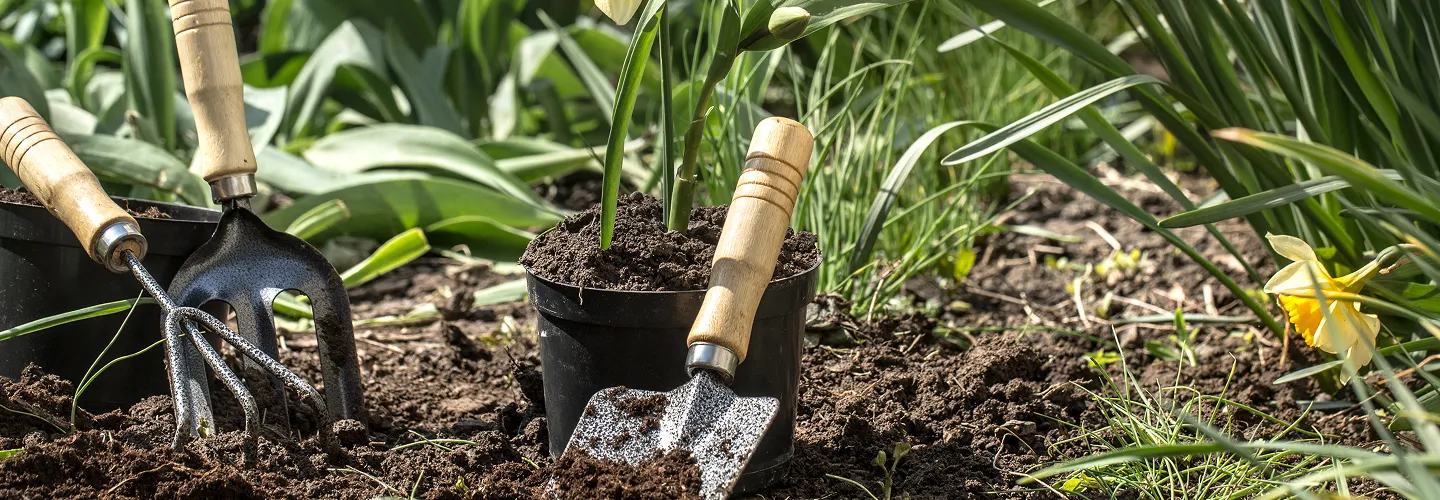
Alva Dethatching Lawn Services
Choose our dethatching lawn service for a healthier, greener yard—our experienced team removes built-up thatch to improve water, nutrient, and air flow, ensuring your grass thrives all season long.
Get a Free QuoteOur Alva Landscaping & Yard Care Services
When to Schedule Dethatching Lawn in Alva, Florida – Seasonal Guide
In Alva, Florida, the best time to schedule dethatching for your lawn is typically in late spring or early summer, after the last frost has passed and before the peak of the rainy season. The unique climate of Alva—with its warm, humid summers and mild winters—means that lawns can accumulate thatch quickly, especially in neighborhoods near the Caloosahatchee River or shaded areas like those around Hickey Creek Mitigation Park. Timing your dethatching service to coincide with active grass growth ensures a faster recovery and a healthier lawn.
Local environmental factors play a significant role in determining the optimal dethatching window. For example, areas with dense tree coverage, such as River Hall or Alva Village, may experience more shade and slower soil drying, which can affect thatch buildup. Soil type also matters; sandy soils common in Alva drain quickly but may require more frequent dethatching compared to clay-heavy soils. It's important to consider municipal guidelines and local weather patterns—such as drought risk or heavy rainfall—when planning your service. For more information on local regulations and seasonal recommendations, visit the Town of Sudbury's resource page.
Local Factors to Consider for Dethatching Lawn in Alva
- Tree density and shade coverage (e.g., River Hall, Alva Village)
- Soil type (sandy vs. clay-heavy areas)
- Typical precipitation patterns and drought risk
- Frost dates and timing of active grass growth
- Terrain and drainage characteristics
- Municipal restrictions or guidelines on lawn care services
Benefits of Dethatching Lawn in Alva
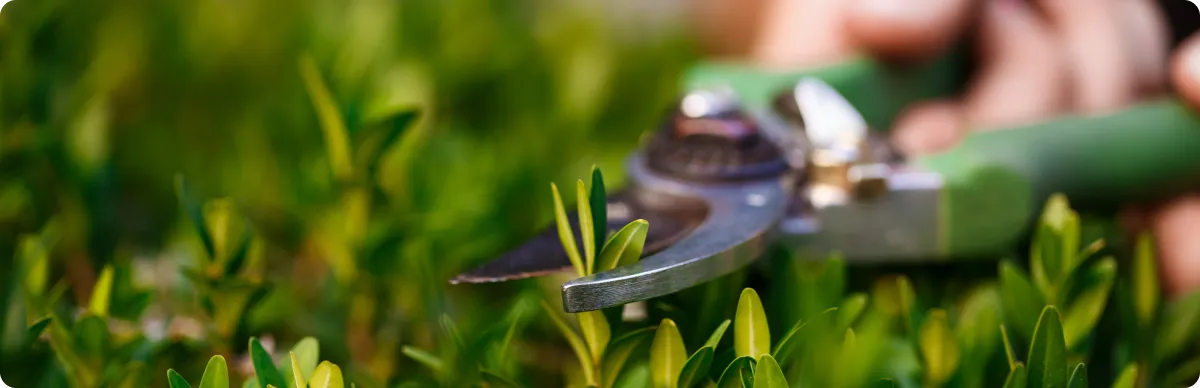
Healthier Grass Growth
Improved Water Absorption
Enhanced Lawn Appearance
Reduced Pest and Disease Risk
Increased Nutrient Uptake
Professional Landscaping Expertise
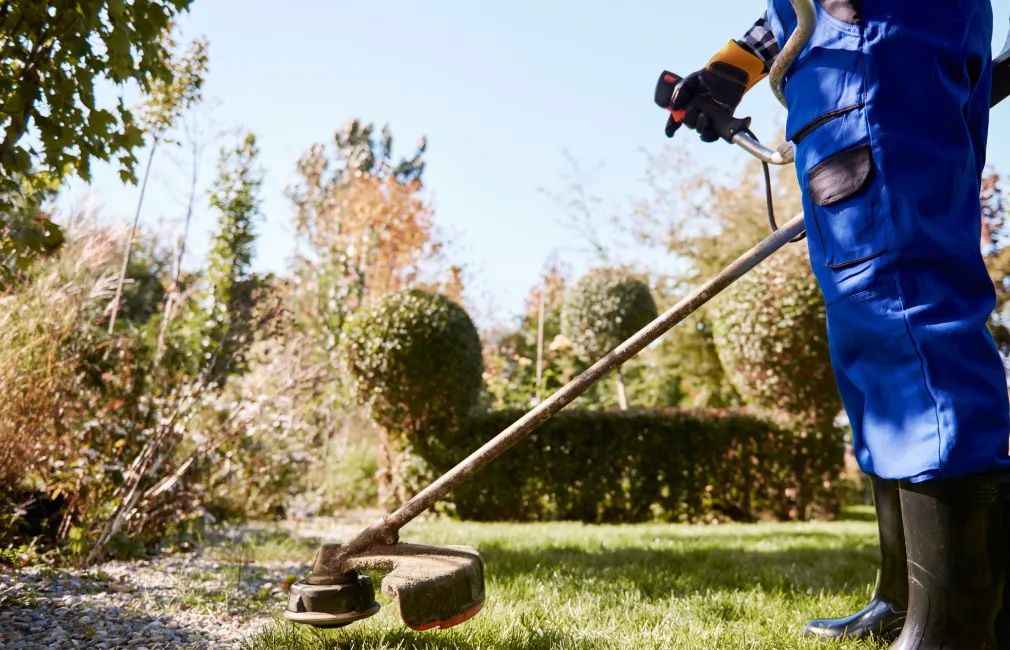
Alva Dethatching Lawn Types

Cool-Season Grass Dethatching
Specialized dethatching for fescue, bluegrass, and ryegrass lawns.
-
Warm-Season Grass Dethatching
Expert removal of thatch from Bermuda, zoysia, and St. Augustine lawns.
-
Residential Lawn Dethatching
Tailored dethatching services for private homes and small properties.
-
Commercial Lawn Dethatching
Comprehensive dethatching for business parks, schools, and public spaces.
-
Sports Field Dethatching
Professional dethatching for athletic fields to maintain optimal turf health.
-
Golf Course Dethatching
Precision dethatching for fairways, greens, and tee boxes.
-
Organic Lawn Dethatching
Eco-friendly dethatching methods for sustainable landscaping.
Our Dethatching Lawn Process
Lawn Evaluation
Preparation and Marking
Dethatching Execution
Cleanup and Disposal
Post-Dethatching Inspection
Why Choose Alva Landscape Services
Alva Homeowners Trust Us
-
Reliable Lawn Maintenance
-
Competitive Pricing
-
Experienced Professional Team
-
Satisfaction Guarantee
-
Personalized Service Plans
-
Prompt Response Times
-
Locally Owned and Operated
Coordinating Dethatching Lawn Services with Lee County Public Works in Alva
Dethatching lawn services in Alva, FL, require careful coordination with Lee County Public Works, especially due to the area’s extensive canal and swale systems. Residents and property managers must ensure that all vegetative debris generated from dethatching is properly contained and disposed of according to county yard waste procedures. Debris should never be left in swales, ditches, or near storm drains, as this can obstruct drainage and contribute to localized flooding. For larger projects or bulk vegetative waste, scheduling a special pickup or utilizing designated drop-off sites may be necessary. It is essential to keep all thatch and organic material out of public rights-of-way to maintain stormwater flow and comply with local maintenance standards.
Municipal Contacts:
Lee County FL Public Works
1500 Monroe St, Fort Myers, FL 33901
Official Website: Lee County FL Public Works
How Alva’s Inland Florida Conditions Shape Dethatching Lawn Needs
Alva is situated in the Central Florida / Inland Peninsula region, characterized by a humid subtropical climate, sandy and fill-based soils, and a pronounced wet season from late spring through early fall. These conditions directly influence the accumulation and breakdown of thatch in common turf species such as St. Augustinegrass and bahiagrass. Key local factors include:
- Sandy soils with low organic matter, which can slow natural thatch decomposition and increase the need for periodic dethatching
- High summer humidity and rainfall, which accelerate turf growth but also raise the risk of fungal issues if thatch is excessive
- Proximity to canals, swales, and retention areas, making it critical to prevent runoff of organic debris during and after dethatching
According to the USDA Plant Hardiness Zone Map, Alva falls within Zone 10A, supporting warm-season turfgrasses but also requiring attention to rapid growth and thatch buildup during the wet season.
Regulatory and Environmental Compliance for Dethatching in Alva
Dethatching activities in Alva must comply with both local and state environmental standards. While dethatching itself typically does not require a permit, improper disposal of vegetative debris or interference with drainage infrastructure can result in code enforcement actions. The Lee County FL Code Enforcement Story Map provides guidance on nuisance accumulation and community standards. Additionally, Florida’s NPDES Stormwater Program mandates that all landscape maintenance activities, including dethatching, prevent the discharge of organic material into stormwater systems. Residents should:
- Confirm current yard waste collection procedures with Lee County Public Works
- Avoid placing dethatching debris in swales, canals, or storm drains
- Be aware that code enforcement may issue notices for improper debris handling
Municipal Contacts:
Lee County FL Code Enforcement Story Map
Official Website: Lee County FL Code Enforcement Story Map
Professional Standards and Timing for Dethatching Lawns in Alva’s Climate
Effective dethatching in Alva is best scheduled during periods of active turf growth, typically in late spring or early summer, to ensure rapid recovery. According to UF/IFAS Gardening Solutions - Lawns, dethatching is most appropriate for St. Augustinegrass and zoysiagrass lawns when thatch exceeds 0.5 inches. Professional standards in Alva include:
- Using vertical mowers or power rakes set to remove only the excess thatch layer, avoiding damage to healthy turf
- Timing dethatching before the peak of the wet season to minimize stress and allow for quick regrowth
- Irrigating lightly after dethatching to support turf recovery, but avoiding overwatering that could promote fungal issues
- Collecting and removing all debris promptly to prevent clogging of drainage features
For site-specific soil information, consult the USDA Web Soil Survey, which can help determine the underlying soil profile and inform dethatching frequency.
What Neighborhoods Do We Serve Throughout Alva, FL?
- River Hall This master-planned community features newer fill-based lots, extensive irrigation, and proximity to canals, requiring careful debris management during dethatching.
- Alva Village Characterized by larger lots and mature landscaping, dethatching here often involves managing thatch from established St. Augustinegrass lawns and ensuring debris does not enter adjacent swales.
- Caloosa Preserve With many homes bordering the Caloosahatchee River, dethatching services must prioritize runoff control to protect sensitive water resources.
- Hickory Bend This area’s wooded lots and shade exposure influence turf density and thatch accumulation, making timing and technique especially important.
- Telegraph Creek Estates Properties near creek corridors require extra attention to debris containment and stormwater protection during lawn maintenance.
- Alva Hickey Creek Lots adjacent to preserves and natural areas demand environmentally sensitive dethatching practices to avoid impacting native habitats.