
Alva Brush Removal Services
Choose our brush removal services for fast, reliable, and eco-friendly clearing that transforms your property into a safer, more beautiful, and usable space.
Get a Free QuoteOur Alva Landscaping & Yard Care Services
When to Schedule Brush Removal in Alva, Florida – Seasonal Guide
In Alva, Florida, timing your brush removal is crucial for maintaining a healthy and attractive landscape. The best periods for this service are typically late winter through early spring, just after the last frost and before the onset of the rainy season. This window allows for easier access to overgrown areas and minimizes the risk of disturbing nesting wildlife. Alva’s climate, characterized by humid summers and mild winters, means that brush can accumulate quickly, especially in shaded lots near the Caloosahatchee River or neighborhoods like River Hall and Alva Village.
Local environmental factors such as high humidity, sandy soils, and the risk of drought during late spring all play a role in determining the optimal time for brush removal. For example, removing brush before the summer rains helps prevent excess moisture retention, which can lead to fungal growth or pest infestations. Additionally, being aware of municipal guidelines and seasonal restrictions is important—residents can find more information on local regulations at the Town of Sudbury website.
Local Factors to Consider for Brush Removal in Alva
- Tree density and type of vegetation on your property
- Proximity to water bodies like the Caloosahatchee River
- Soil composition (sandy vs. loamy)
- Seasonal precipitation and drought risk
- Shade coverage from mature oaks or pines
- Municipal restrictions and neighborhood association rules
- Accessibility of terrain, especially in areas with uneven ground
Benefits of Brush Removal in Alva

Enhanced Curb Appeal
Improved Property Safety
Prevention of Pest Infestations
Healthier Plant Growth
Increased Usable Space
Reduced Fire Hazards
Alva Brush Removal Types

Manual Brush Clearing
-
Mechanical Brush Removal
-
Forestry Mulching
-
Controlled Burning
-
Herbicide Application
-
Selective Tree Removal
-
Stump Grinding
Our Brush Removal Process
Site Evaluation
Safety Preparation
Brush Clearing
Debris Removal
Final Inspection
Why Choose Alva Landscape Services
Alva Homeowners Trust Us
-
Reliable Lawn Maintenance
-
Competitive Pricing
-
Experienced Professional Team
-
Satisfaction Guarantee
-
Personalized Service Plans
-
Prompt Response Times
-
Locally Owned and Operated
Coordinating Brush Removal Through Lee County Public Works in Alva
Alva is an unincorporated community within Lee County, meaning residents coordinate vegetative debris disposal and brush removal through county-level departments rather than a municipal government. Lee County Public Works oversees right-of-way maintenance, stormwater infrastructure, and storm-related debris management across unincorporated areas including Alva. Property owners should verify current curbside vegetative debris collection schedules and bundling requirements directly with the county, as pickup protocols may differ from incorporated cities like Fort Myers or Cape Coral.
- Brush piles placed for collection must not block drainage swales, canal banks, or roadside ditches
- Vegetative debris should be separated from household waste and construction materials
- Storm-season debris surges may alter normal collection timelines; confirm schedules after named storms
- Commercial-scale brush clearing projects may require coordination with county development services for hauling and disposal routing
Lee County Public Works
Official Website: Lee County Public Works
Lee County Community Development
Official Website: Lee County Community Development
How Alva's Rural Landscape and Wet Season Shape Brush Accumulation
Alva sits inland along the Caloosahatchee River corridor in southwest Florida, classified within the South Florida subtropical zone. The community falls within USDA Hardiness Zone 10a, where year-round warmth drives aggressive vegetative growth. Soils in the Alva area tend toward sandy, poorly drained profiles with a seasonally high water table, consistent with flatwoods and river-adjacent lowland conditions documented through the USDA Web Soil Survey.
- Wet-season growth surge: From late May through October, heavy rainfall and high humidity accelerate brush regrowth, particularly from Brazilian pepper, melaleuca, and native understory species
- Sandy soils and shallow root zones: Rapid saturation during storms loosens root systems, increasing windthrow and limb breakage that generates brush debris
- Caloosahatchee River proximity: Properties near the river, canals, and drainage ditches face heightened sensitivity to debris entering waterways, which can obstruct flow and degrade water quality
- Fire risk in dry season: During the drier months of November through April, accumulated brush on rural and semi-rural lots increases wildfire fuel loads, a concern recognized by the Alva Fire Control District
Navigating Alva's County-Level Regulations for Brush Removal Compliance
Because Alva operates under Lee County jurisdiction, brush removal activities must comply with county land development codes and environmental standards. Lee County's code enforcement division monitors nuisance vegetation accumulation, overgrown lots, and debris that obstructs visibility or drainage infrastructure. Property owners can review enforcement standards through the Lee County Code Enforcement interactive resource.
- Clearing brush near wetlands, conservation easements, or designated flood zones may trigger review through Lee County Zoning; verify current requirements before large-scale clearing
- Brush and vegetative debris must not be pushed into canals, swales, retention areas, or stormwater conveyances, consistent with protections under the Florida DEP NPDES Stormwater Program
- The Clean Water Act establishes federal baseline protections for navigable waters, including the Caloosahatchee system, reinforcing the need to prevent organic debris from entering drainage networks
- If brush removal involves herbicide application to prevent regrowth of invasive species, applicators must hold valid credentials through FDACS Pesticide Applicator Licensing
Alva Fire Control District
Official Website: Alva Fire Control District
Timing and Methods for Professional Brush Removal in Alva's Climate
Professional brush removal in Alva requires careful timing around the region's pronounced wet and dry seasons. The optimal window for large-scale clearing typically falls during the late dry season—February through April—when lower soil moisture improves equipment access and reduces ground disturbance on Alva's sandy, low-lying parcels.
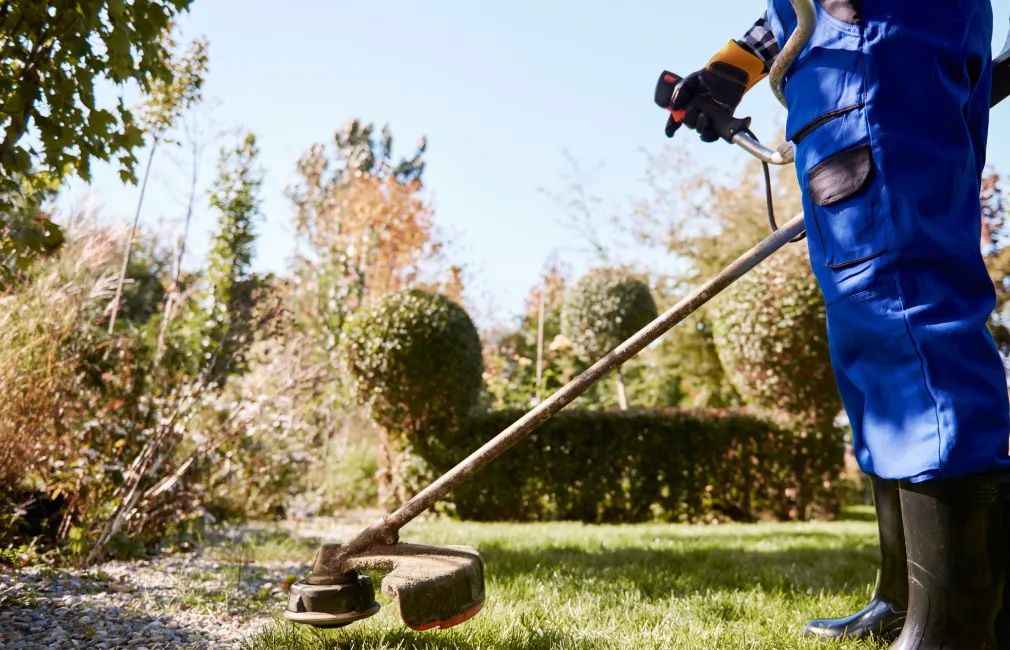
- Mechanical clearing: Skid-steer mulchers and brush cutters are commonly used on larger rural lots; operators should avoid rutting saturated soils, which damages drainage grade and compacts subsurface layers
- Hand clearing: Appropriate near canal banks, fence lines, and structures where mechanical equipment risks damaging infrastructure or protected vegetation
- Chipping and hauling: On-site chipping reduces volume for transport; chips may be repurposed as ground cover on cleared areas to limit erosion until permanent stabilization is established
- Post-removal stabilization: Exposed sandy soils in Alva erode quickly during summer storms; seeding, sodding, or mulching cleared areas promptly prevents sediment from migrating into swales and drainage ditches
- Invasive species management: Brazilian pepper and melaleuca frequently dominate brush piles in Alva; cut-stump herbicide treatment may be necessary to prevent rapid regrowth, but only by properly licensed applicators
Scheduling brush removal before the June–October hurricane season reduces the volume of loose debris that could become airborne or obstruct drainage during storm events.
What Neighborhoods Do We Serve Throughout Alva, FL?
- Olga: Located closer to the Lee County urban boundary, Olga properties often feature smaller lots with mature vegetation and proximity to canal systems requiring careful debris management during brush clearing
- Buckingham: This neighboring community shares Alva's rural character with larger acreage parcels, where brush accumulation along fence lines and property boundaries demands periodic clearing to maintain fire safety and drainage flow
- Caloosahatchee Riverfront Properties: Parcels along the river corridor face unique brush removal challenges due to flood zone designations, riparian buffer requirements, and the need to prevent organic debris from entering the waterway
- Historic Alva Village: The core of the Alva community features older residential lots with established tree canopy and understory brush that requires careful hand-clearing to preserve mature specimen trees
- North River Road Corridor: Properties along this corridor tend toward larger agricultural and semi-rural tracts where brush encroachment along road frontage and drainage ditches requires regular maintenance for visibility and water conveyance