
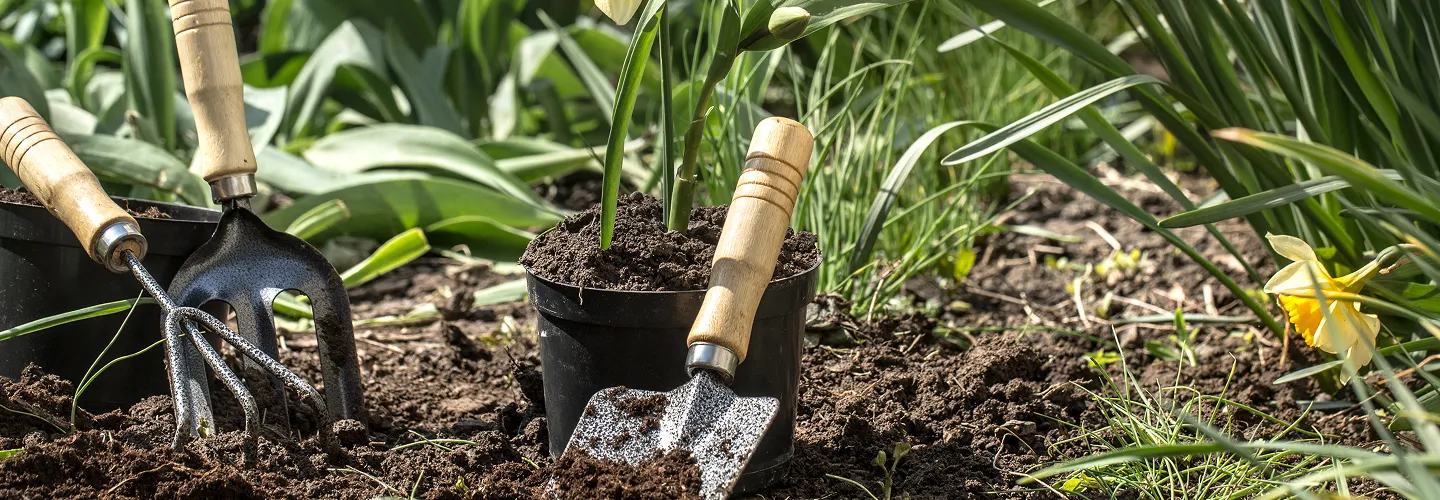
Alva Lawn Installation Services
Choose our Lawn Installation for expert craftsmanship, premium materials, and a commitment to creating a vibrant, healthy lawn that enhances your home's beauty and value for years to come.
Get a Free QuoteOur Alva Landscaping & Yard Care Services
When to Schedule Lawn Installation in Alva, Florida – Seasonal Guide
Choosing the right time for lawn installation in Alva, Florida is essential for achieving a healthy, resilient yard. Thanks to Alva’s subtropical climate, the best periods for new sod or seed are typically late spring and early fall, when soil temperatures are warm but not scorching, and rainfall is more predictable. Neighborhoods near the Caloosahatchee River or close to Alva Middle School often experience unique microclimates, so it’s important to consider your specific location.
Local environmental factors play a significant role in timing. For example, the risk of late winter frost—though rare—can impact new grass roots, especially in shaded lots near Hickey Creek Mitigation Park. High summer humidity and the potential for drought in July and August also affect establishment. Soil types in Alva range from sandy loam to denser clay, influencing drainage and root development. For more information on local regulations and best practices, visit the official town resource.
Local Factors to Consider for Lawn Installation in Alva
- Tree density and shade coverage, especially in established neighborhoods
- Terrain slope and drainage patterns, particularly near riverfront properties
- Seasonal precipitation and risk of drought
- Soil composition and pH levels
- Municipal watering restrictions and installation guidelines
Benefits of Lawn Installation in Alva
Expert Landscaping Services
Premium Quality Sod
Efficient Project Completion
Customized Lawn Solutions
Enhanced Curb Appeal
Long-Lasting Green Lawns
Alva Lawn Installation Types

Sod Installation
-
Hydroseeding
-
Artificial Turf Installation
-
Seeding and Overseeding
-
Zoysia Grass Installation
-
Bermuda Grass Installation
-
St. Augustine Grass Installation
Our Lawn Installation Process
Site Evaluation
Soil Preparation
Sod or Seed Installation
Watering and Initial Care
Final Inspection
Why Choose Alva Landscape Services
Alva Homeowners Trust Us
-
Reliable Lawn Maintenance
-
Competitive Pricing
-
Experienced Professional Team
-
Satisfaction Guarantee
-
Personalized Service Plans
-
Prompt Response Times
-
Locally Owned and Operated
Coordinating Lawn Installation Projects Through Lee County Development Services in Alva
Alva is an unincorporated community within Lee County, meaning all development review, permitting, and land-use compliance fall under county-level departments rather than a municipal government. Property owners planning lawn installation should coordinate with Lee County Community Development for any site work that involves grading changes, drainage modifications, or irrigation system connections. Before beginning grade preparation, residents should verify whether their parcel falls within a flood zone, conservation overlay, or utility easement, as these designations may trigger additional review requirements. Lee County Public Works oversees stormwater infrastructure, including swales, drainage ditches, and canal rights-of-way that border many Alva properties. Sod delivery vehicles and equipment staging should not obstruct county-maintained roadways or drainage conveyances.
- Confirm parcel zoning and any overlay restrictions through Lee County Zoning before grading
- Verify stormwater and drainage easement boundaries to avoid disturbing county infrastructure
- Coordinate irrigation tie-ins with the appropriate utility provider serving the property
Lee County Community Development
Official Website: Lee County Community Development
Lee County Public Works
Official Website: Lee County Public Works
How Alva's Inland Soils and Subtropical Climate Shape Lawn Installation Outcomes
Alva sits in USDA Hardiness Zone 10a along the Caloosahatchee River corridor in southwest Florida's inland Gulf Coast region. The area's soils are predominantly sandy and often poorly drained in low-lying sections, with some parcels containing organic-rich soils near river and creek floodplains. These conditions directly affect how turf establishes after installation. Sandy soils drain rapidly and leach nutrients quickly, requiring careful irrigation scheduling to keep newly laid sod hydrated without overwatering. Properties closer to the Caloosahatchee or adjacent canal systems may encounter high water tables, particularly during the wet season from June through October, when Alva typically receives the bulk of its approximately 54 inches of annual rainfall.
- Sandy soil dominance causes rapid moisture loss in the root zone, demanding frequent but short irrigation cycles during sod establishment
- High humidity and summer heat above 90°F accelerate turf desiccation on exposed subgrade before sod is laid
- Wet-season saturation can waterlog poorly graded sites, inhibiting root development and promoting fungal pressure
- Nutrient leaching through sandy profiles increases the risk of nitrogen and phosphorus reaching nearby canals and retention areas
Residents should consult the USDA Web Soil Survey to identify the specific soil series on their parcel before selecting turf species or amending subgrade. The UF/IFAS Gardening Solutions lawn resources provide regionally appropriate guidance on warm-season turf varieties suited to southwest Florida conditions, including St. Augustinegrass, bahiagrass, and zoysiagrass.
Navigating Alva's Regulatory Requirements for Lawn Installation and Runoff Control
Lee County enforces land development codes that govern grading, drainage, and stormwater management on residential and commercial parcels throughout unincorporated areas like Alva. Lawn installation projects that alter existing site grades or redirect surface water flow may require review through Lee County Development Services to ensure compliance with stormwater management standards. Properties adjacent to canals, retention ponds, or designated floodplain areas face heightened scrutiny regarding runoff behavior after turf establishment.
- Any grading that changes the direction or volume of stormwater runoff should be reviewed against Lee County's land development standards
- Fertilizer application during or after lawn installation must comply with Florida Statutes §403.9337, which establishes the model ordinance for Florida-Friendly fertilizer use on urban landscapes
- Sediment, soil amendments, and sod debris must be kept out of swales, canal edges, curb inlets, and stormwater conveyances in accordance with Florida DEP NPDES Stormwater Program requirements
- Irrigation systems installed as part of a lawn project may be subject to South Florida Water Management District watering restrictions; verify current schedules through the district or local utility provider
Lee County Code Enforcement monitors property maintenance standards including overgrowth, nuisance vegetation, and site stabilization. Properties left with exposed soil after incomplete lawn installation may be subject to enforcement action.
Lee County Zoning
Official Website: Lee County Zoning
Timing and Methods for Lawn Installation in Alva's Heat and Wet Season Cycles
Professional lawn installation in Alva requires careful sequencing around the region's intense subtropical climate. The optimal establishment window for warm-season sod in southwest Florida generally falls between late April and early September, when soil temperatures consistently support rapid root development. However, installation during peak summer months demands aggressive irrigation management to prevent sod from desiccating on hot, sandy subgrade.
- Grade preparation should establish positive drainage away from structures and toward designated stormwater conveyances, not toward neighboring properties, canal banks, or roadway swales
- Subgrade compaction and amendment on Alva's sandy soils may include incorporating organic matter to improve moisture retention in the root zone without impeding drainage
- Sod should be laid within hours of delivery during summer months, as palletized turf generates internal heat that can damage grass within a single day
- Initial irrigation typically requires multiple short cycles per day during the first seven to fourteen days, tapering gradually as roots anchor into the subgrade
- Turf species selection should account for sun exposure, expected foot traffic, and irrigation capacity; St. Augustinegrass varieties such as 'Floratam' perform well in full sun across Alva, while shade-tolerant cultivars may be necessary under mature oak canopies
Installers should avoid scheduling grading or sod placement immediately before forecast heavy rainfall events, as unanchored sod and exposed soil are vulnerable to washout. The UF/IFAS lawn maintenance guidance provides detailed post-installation care protocols appropriate to Florida's warm-season turf environment.
What Neighborhoods Do We Serve Throughout Alva, FL?
- Olde Alva — Properties in this historic area along the Caloosahatchee River often feature mature tree canopy and older lot configurations that require shade-tolerant turf selection and careful grading around established root systems.
- Buckingham — This neighboring community includes a mix of residential lot sizes with sandy soils and variable drainage conditions that demand thorough subgrade evaluation before sod installation.
- Caloosa — Larger rural and semi-rural parcels in the Caloosa area may involve extensive grading and irrigation planning, with some properties bordering canal systems or agricultural drainage infrastructure.
- Telegraph Creek Estates — Subdivisions in this area often sit on fill soils with engineered drainage, requiring coordination with existing swale systems and retention areas during lawn installation.
- Palmetto Point — Waterfront and near-waterfront lots along the river corridor present high water table conditions and heightened environmental sensitivity for runoff control during turf establishment.
- North Alva — Properties north of the river along State Road 80 include a range of parcel sizes with sandy flatwoods soils that benefit from organic amendment and consistent irrigation coverage during sod rooting.