
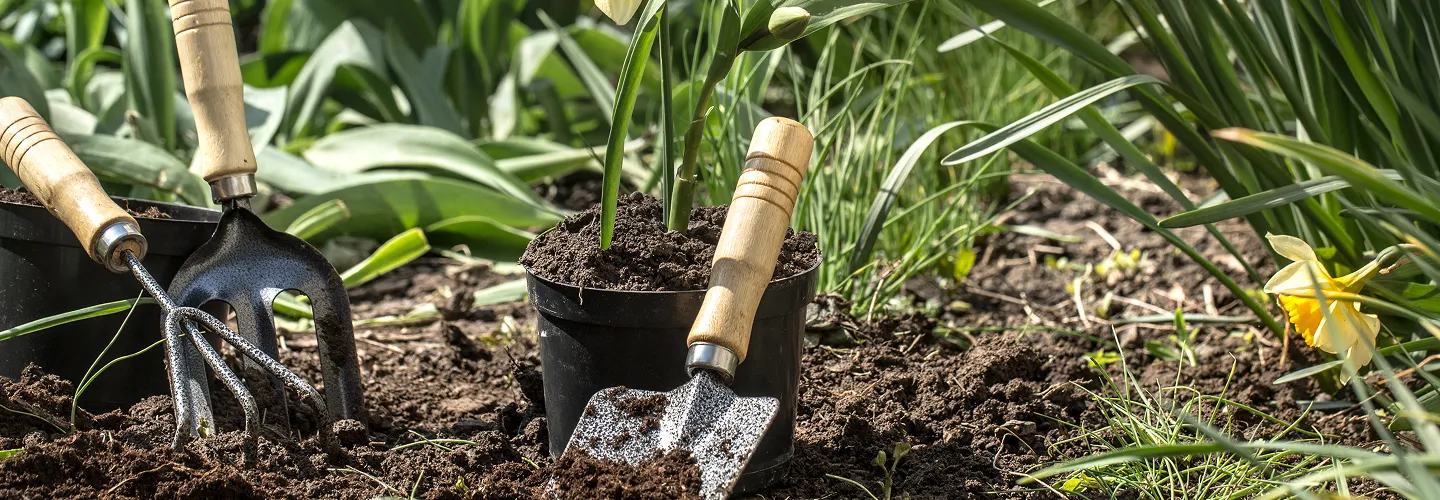
Alva Green Waste Disposal Services
Choose our Green Waste Disposal for reliable, environmentally responsible service that keeps your property clean while helping protect the planet—experience hassle-free pickups, transparent pricing, and a commitment to sustainable practices.
Get a Free QuoteOur Alva Landscaping & Yard Care Services
When to Schedule Green Waste Disposal in Alva, Florida – Seasonal Guide
In Alva, Florida, the timing of green waste disposal is closely tied to our unique subtropical climate and the rhythms of local landscapes. The best periods for scheduling this service are typically late winter through early spring, just after the last frost date, and again in late summer before hurricane season peaks. These windows allow homeowners in neighborhoods like River Hall and Hickey Creek to clear away storm debris, fallen branches, and seasonal overgrowth efficiently, minimizing the risk of pest infestations and promoting healthy regrowth.
Local environmental factors play a significant role in determining the optimal disposal schedule. Alva’s proximity to the Caloosahatchee River means higher humidity and occasional flooding, which can accelerate organic waste decomposition but also increase the risk of mold and mildew if debris is left too long. Shaded lots near Alva Middle School or areas with dense oak and pine coverage may require more frequent attention, especially after heavy rains or during drought periods when dry material can become a fire hazard. For more information on local guidelines and best practices, visit the Sudbury municipal resource.
Local Factors to Consider for Green Waste Disposal in Alva
- Tree density and types (oak, pine, palm)
- Proximity to water bodies and flood-prone zones
- Seasonal precipitation and hurricane risk
- Soil type and drainage characteristics
- Municipal restrictions and scheduled pickup dates
- Shade coverage and sun exposure
- Neighborhood-specific landscaping trends
Benefits of Green Waste Disposal in Alva
Eco-Friendly Landscaping Solutions
Efficient Green Waste Removal
Promotes Healthy Plant Growth
Reduces Landfill Waste
Improves Curb Appeal
Supports Sustainable Practices
Alva Green Waste Disposal Types

Grass Clippings
-
Tree Branches
-
Shrub Trimmings
-
Leaves Collection
-
Garden Debris
-
Mulch Disposal
-
Sod and Soil Removal
Our Green Waste Disposal Process
Collection of Green Waste
Sorting and Separation
Transport to Disposal Facility
Eco-Friendly Processing
Why Choose Alva Landscape Services
Alva Homeowners Trust Us
-
Reliable Lawn Maintenance
-
Competitive Pricing
-
Experienced Professional Team
-
Satisfaction Guarantee
-
Personalized Service Plans
-
Prompt Response Times
-
Locally Owned and Operated
Coordinating Green Waste Disposal Through Lee County Public Works in Alva
Alva is an unincorporated community within Lee County, meaning green waste disposal coordination falls under county-level services rather than a standalone municipal program. Residents and property managers should verify current vegetative debris collection schedules, accepted materials, and curbside placement requirements directly through Lee County Public Works, which oversees solid waste operations, right-of-way maintenance, and storm-related debris management for unincorporated areas. Green waste typically includes grass clippings, tree trimmings, palm fronds, shrub cuttings, and other organic landscape debris. Mixing construction materials, treated lumber, or household trash with vegetative waste can result in rejected loads or code enforcement action. Property owners generating large volumes—such as after storm cleanup or major landscape clearing—should confirm whether bulk vegetative pickup requires scheduling or if drop-off at a county transfer facility is required.
- Separate all vegetative debris from household garbage, recyclables, and construction waste before placing it curbside
- Confirm bundling, container, or pile-size requirements with Lee County before disposal
- Commercial landscape operators hauling green waste must follow county disposal routing and may face different rules than residential generators
- After hurricane events, verify whether emergency debris collection protocols are in effect through Lee County Public Works
Lee County Public Works
Official Website: Lee County Public Works
Properties adjacent to canals, swales, or drainage easements must ensure that green waste is never staged in a manner that could obstruct stormwater flow or introduce organic material into waterways.
How Alva's Subtropical Climate and Soils Influence Green Waste Volume
Alva sits within the South Florida subtropical zone, classified in USDA Hardiness Zone 10a, where year-round warmth and a pronounced wet season from roughly June through October drive aggressive vegetation growth. This climate produces substantially more green waste per acre than temperate regions, particularly during the summer months when rainfall can exceed seven inches monthly and temperatures regularly surpass 90°F. The area's soils—predominantly sandy, with low organic content and rapid drainage—support fast-growing turf species like St. Augustinegrass and bahiagrass, along with vigorous tropical and subtropical shrubs and palms that generate frequent trimmings.
- High wet-season growth rates produce heavy volumes of grass clippings, palm fronds, and shrub trimmings between June and October
- Sandy, well-drained soils encourage rapid root expansion and canopy growth in species like live oak, sabal palm, and tropical ornamentals
- Humidity and rainfall accelerate decomposition of staged green waste piles, which can attract pests and generate odor if not removed promptly
- Hurricane and tropical storm seasons can generate sudden, large-scale vegetative debris requiring coordinated disposal beyond routine collection
The USDA Plant Hardiness Zone Map confirms Alva's placement in Zone 10a, which directly affects the species palette and the volume of organic material properties generate annually. Alva's proximity to the Caloosahatchee River and its network of drainage canals makes it especially important that green waste never enters waterways, where decomposing organic matter can deplete dissolved oxygen and contribute to nutrient loading.
Navigating Lee County Regulations and Stormwater Compliance for Green Waste in Alva
Green waste disposal in Alva is subject to Lee County code enforcement standards, which address nuisance accumulation, property maintenance, and debris management on residential and commercial parcels. The Lee County Code Enforcement program monitors properties for excessive vegetative debris accumulation, which can constitute a code violation if left unaddressed. Property owners and landscape contractors should be aware of the following regulatory considerations:
- Nuisance accumulation: Allowing green waste to pile up beyond scheduled collection periods may trigger code enforcement action; verify current accumulation limits with Lee County Community Development
- Stormwater protection: Under the Florida DEP NPDES Stormwater Program, organic debris must not be deposited into or adjacent to storm drains, swales, canals, retention ponds, or drainage inlets, as decomposing vegetation contributes phosphorus and nitrogen to downstream water bodies
- Right-of-way placement: Green waste staged for collection must not block sidewalks, drainage swales, roadway shoulders, or utility access points
- Commercial hauling: Landscape contractors transporting green waste from Alva properties must use properly licensed vehicles and dispose of material at authorized facilities; verify current requirements through Lee County
Lee County Community Development
Official Website: Lee County Community Development
The Clean Water Act establishes the federal framework under which Florida's stormwater discharge permits operate, reinforcing the obligation to prevent organic pollutants from entering surface waters through improper green waste handling.
Timing and Methods for Green Waste Disposal Around Alva's Seasonal Cycles
Effective green waste management in Alva requires aligning disposal practices with the area's distinct seasonal patterns. The wet season generates the highest volumes of vegetative debris, while the cooler dry season from November through May produces comparatively less material but still requires consistent removal of palm fronds, leaf litter, and periodic pruning waste.
- Wet-season scheduling (June–October): Plan for more frequent green waste removal during peak growth months; grass clippings and shrub trimmings accumulate rapidly, and staged piles decompose quickly in heat and humidity, producing leachate that can flow into nearby drainage features
- Storm preparation: Before tropical weather events, prioritize removal of loose branches, dead fronds, and accumulated yard debris that could become windborne hazards or block drainage infrastructure
- Post-storm protocols: After significant storms, coordinate with Lee County Public Works regarding emergency vegetative debris collection schedules, which may differ from routine pickup
- Dry-season maintenance (November–May): Lower growth rates reduce disposal volume, but leaf drop from deciduous species and routine hedge trimming still generate material requiring proper handling
- Staging best practices: Place green waste at the curbside or designated collection point only within the timeframe specified by the county; avoid staging material near canal banks, swale edges, or retention areas where runoff could carry organic matter into water systems
The UF/IFAS guide to protecting Florida's water resources emphasizes keeping all organic debris—including grass clippings and leaf litter—out of stormwater conveyance systems to reduce nutrient pollution in rivers, estuaries, and downstream ecosystems like the Caloosahatchee and Charlotte Harbor.
Lee County Parks & Recreation
Official Website: Lee County Parks & Recreation
What Neighborhoods Do We Serve Throughout Alva, FL?
- Olga: Properties in this area near the Caloosahatchee River often feature mature live oaks and dense tropical landscaping that generate significant volumes of leaf litter and branch debris requiring regular disposal coordination
- Buckingham: Larger rural and semi-rural lots in Buckingham produce substantial green waste from pasture edges, fence lines, and mixed native and ornamental plantings, with drainage swales requiring careful debris staging
- Caloosa: This planned community features HOA-maintained common areas alongside individual lots where palm fronds, hedge trimmings, and turf clippings must be managed according to both county and association standards
- Alva proper: The historic core along the Caloosahatchee includes older residential parcels with mature canopy trees, generating heavy seasonal leaf drop and storm-related branch debris near canal and river edges
- Telegraph Creek Estates: Properties bordering preserve and wetland areas must exercise particular care to prevent green waste from migrating into environmentally sensitive drainage corridors
- Palmdale Estates: Larger acreage parcels in this area produce high volumes of brush and vegetative debris from fence-line clearing, pasture maintenance, and periodic land management activities